

Why Your Morning Meal Matters for Fat Loss
Starting your day with the right breakfast can strongly influence hunger, energy, and how easily you maintain a calorie deficit. When your goal is weight loss or body recomposition, calorie deficit breakfast ideas can help you stay consistent without feeling deprived.
Many people struggle in the morning because they either skip breakfast or choose high-sugar foods. That’s why building structured morning eating habits is important it helps you control portions, improve consistency, and stay on track with your goals.
A better approach is choosing balanced low-calorie meals that are rich in nutrients. These calorie deficit breakfast ideas focus on protein, fiber, and smart portion control instead of restriction.
The key is not eating less food it’s eating smarter food. That means focusing on high protein low cal breakfast options that keep you full, stabilize blood sugar, and reduce cravings later in the day. These meals form the foundation of a sustainable fat-loss routine.
In this guide, you’ll discover simple and practical calorie deficit breakfast ideas, including quick recipes, balanced bowls, and gut friendly breakfast options that support digestion while keeping calories under control.
What Makes a Good Calorie-Control Breakfast?
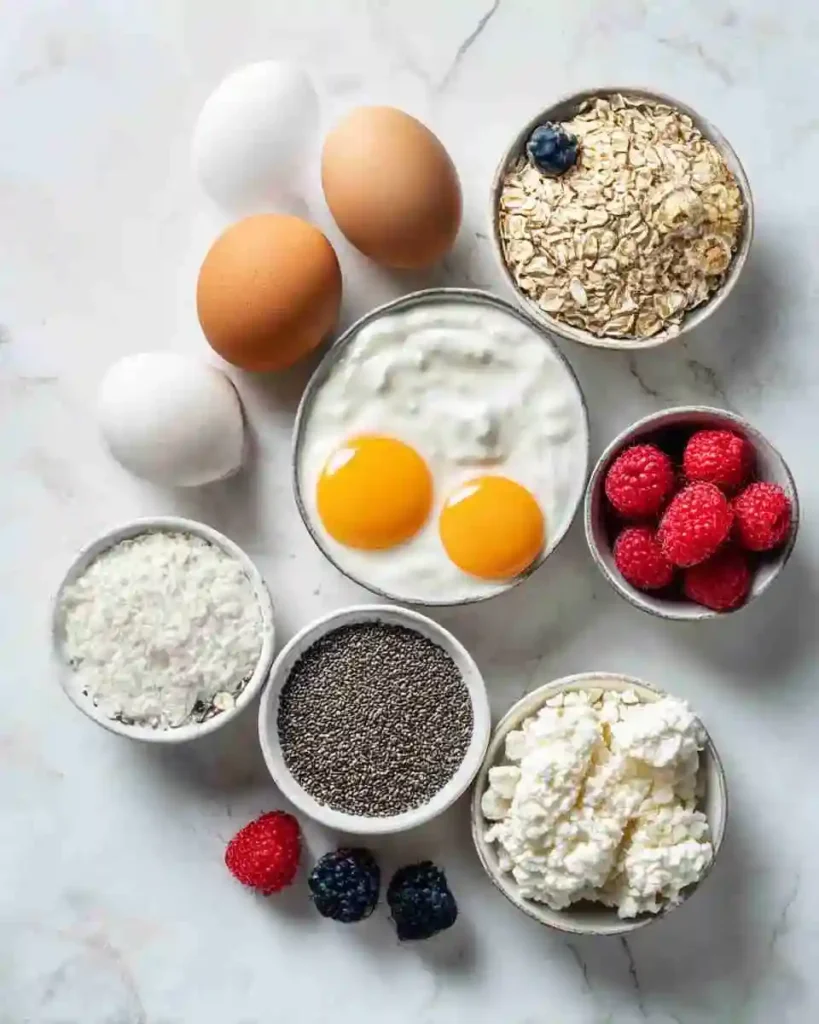
A strong fat-loss morning routine includes:
- High protein → supports muscle and reduces hunger
- Fiber-rich foods → improves digestion and fullness
- Controlled calories → helps maintain a deficit without overeating
When combined properly, these habits make calorie deficit breakfast ideas easy to follow and sustainable.
High-Protein Low-Cal Breakfast Ideas

Protein plays a key role in calorie deficit breakfast ideas because it improves fullness and reduces cravings.
1. Greek Yogurt Protein Bowl
A quick and filling option made with Greek yogurt, berries, and chia seeds. It supports satiety while staying low in calories.
2. Egg White Veggie Scramble
Egg whites cooked with spinach, tomatoes, and mushrooms create a light but high-protein meal that fits perfectly into a calorie-controlled routine.
3. Protein Oat Bowl
Oats combined with protein powder and almond milk give steady energy and help prevent mid-morning hunger.
Gut-Friendly Breakfast Options
Supporting digestion is an important part of calorie deficit breakfast ideas.
4. Kefir Fruit Smoothie
Kefir blended with berries and banana creates a probiotic-rich smoothie that supports gut health and light calorie intake.
5. Chia Pudding Bowl
Chia seeds soaked in almond milk create a high-fiber breakfast that helps digestion and keeps you full longer.
Quick Meal Ideas for Weight Loss
Simple meals can still support fat loss when built correctly.
6. Avocado Egg Toast (Light Version)
Whole grain toast topped with half avocado and a boiled egg offers a balance of healthy fats and protein.
7. Cottage Cheese Bowl
Cottage cheese with cucumber, tomatoes, and herbs creates a fast, high-protein breakfast that supports appetite control.
Tips for Staying in a Calorie Deficit at Breakfast

To get better results from calorie deficit breakfast ideas, follow these habits:
- Prioritize protein in every meal
- Avoid sugary breakfast foods
- Control portion sizes
- Prepare meals ahead of time
- Watch hidden calories in oils, sauces, and drinks
Small daily habits create long-term consistency.
Common Mistakes to Avoid
Many people slow down their progress because they:
- Eat large portions of “healthy” foods
- Skip protein in the morning
- Drink high-calorie coffee drinks
- Don’t track portions or ingredients
Avoiding these mistakes makes fat loss much more consistent and manageable.
For more recipes Follow me in Pinterest
Final Thoughts
Building effective calorie deficit breakfast ideas is not about restriction it’s about balance and consistency. When you focus on protein, fiber, and portion control, you naturally support fat loss without extreme dieting.
The best results come from simple meals you can repeat daily. Stay consistent, keep your meals balanced, and your mornings will support your long-term goals naturally.
Print
Calorie Deficit Breakfast Ideas (High-Protein, Low-Cal & Gut-Friendly Meal Ideas)
- Total Time: 20 minutes
- Yield: 1 serving
- Diet: Low Calorie
Description
These calorie deficit breakfast ideas are simple, high-protein, and low-calorie meals designed to support fat loss while keeping you full and energized. Each recipe focuses on balanced nutrition with protein, fiber, and healthy fats to control hunger and improve digestion. Perfect for busy mornings, these breakfasts help you stay consistent with your weight loss goals without feeling restricted.
Ingredients
- Greek yogurt (low-fat or non-fat)
- Eggs or egg whites
- Oats (rolled or overnight oats)
- Chia seeds
- Fresh berries (blueberries, strawberries, raspberries)
- Cottage cheese
- Spinach or mixed vegetables
- Almond milk or low-calorie milk
- Optional: protein powder, honey (small amount), cinnamon
Instructions
- Start by choosing a protein base such as eggs, Greek yogurt, or cottage cheese.
- Add a fiber source like oats, chia seeds, or vegetables for fullness and digestion support.
- Combine ingredients into a balanced bowl, scramble, or smoothie.
- Keep portions controlled to stay within your calorie deficit target.
- Prepare some ingredients ahead of time to save morning effort.
- Serve fresh and enjoy a filling, low-calorie breakfast that supports fat loss.
Notes
- Focus on high-protein ingredients to reduce hunger throughout the day.
- Avoid added sugar or high-calorie toppings to maintain calorie deficit goals.
- Meal prep ingredients in advance for faster mornings.
- Adjust portions based on your daily calorie needs.
- Drink water or black coffee alongside breakfast for better satiety.
- Prep Time: 10 minutes
- Cook Time: 10 minutes
- Category: Breakfast
- Method: No-Cook / Stovetop / Blended
- Cuisine: American Healthy
Nutrition
- Serving Size: 1 bowl or plate
- Calories: 300 kcal
- Sugar: 8 g
- Sodium: 220 mg
- Fat: 10 g
- Saturated Fat: 3 g
- Unsaturated Fat: 6 g
- Trans Fat: 0 g
- Carbohydrates: 28 g
- Fiber: 6 g
- Protein: 25 g
- Cholesterol: 180 mg