
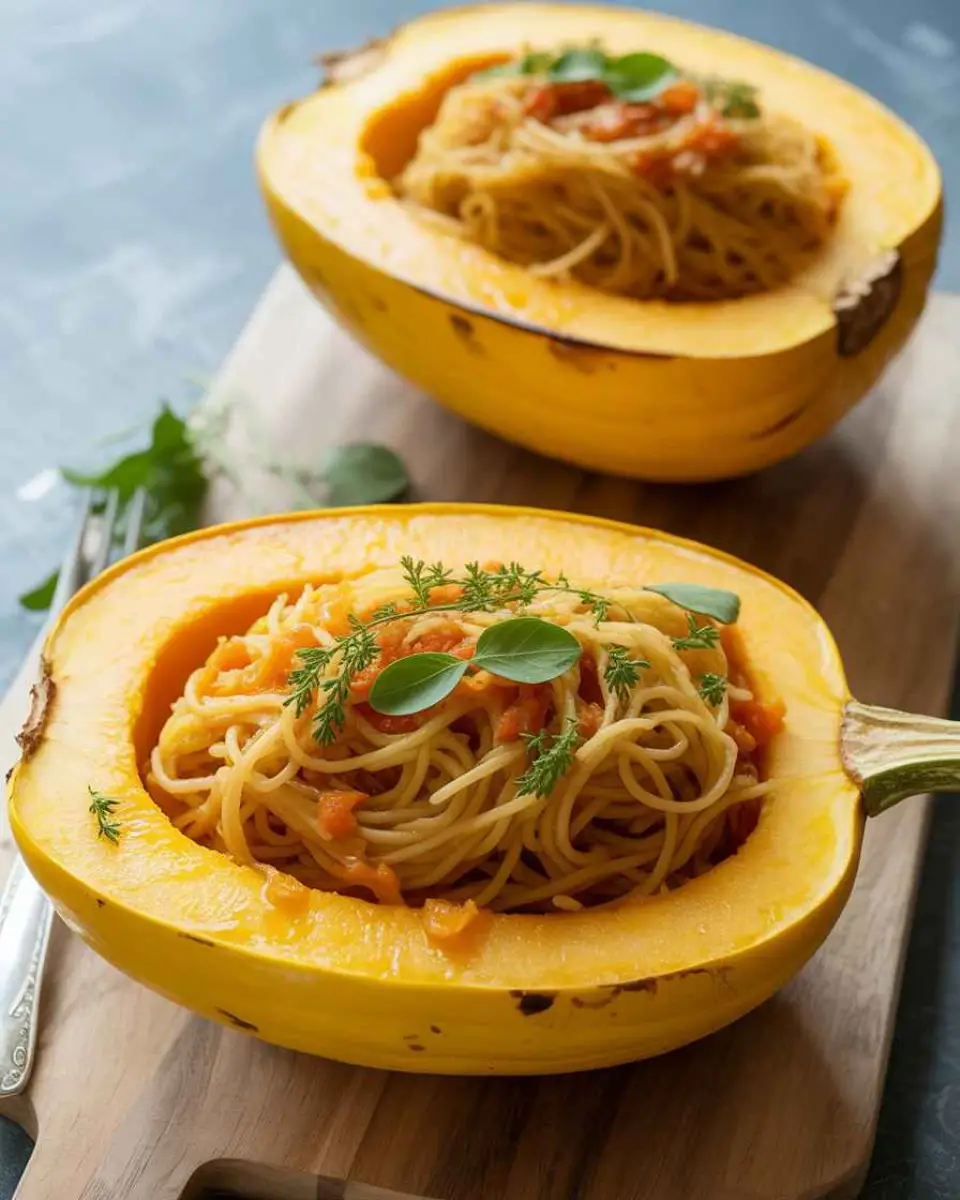
Spaghetti squash recipes are the perfect solution when you want something flavorful, easy to make, and low in carbs. Whether you’re cutting back on pasta or just searching for creative low-carb meals, this Mediterranean-inspired dish is both satisfying and simple. In this article, you’ll learn how to roast spaghetti squash without it turning watery, how to use it as a healthy pasta alternative, and how to tell when it’s perfectly cooked. We’ll also answer common questions and include a quick, no-fuss version of the recipe for busy weeknights. Ready to get started?
Why Spaghetti Squash Recipes Are a Kitchen Favorite
A Cozy Memory That Sparked My Love for Spaghetti Squash
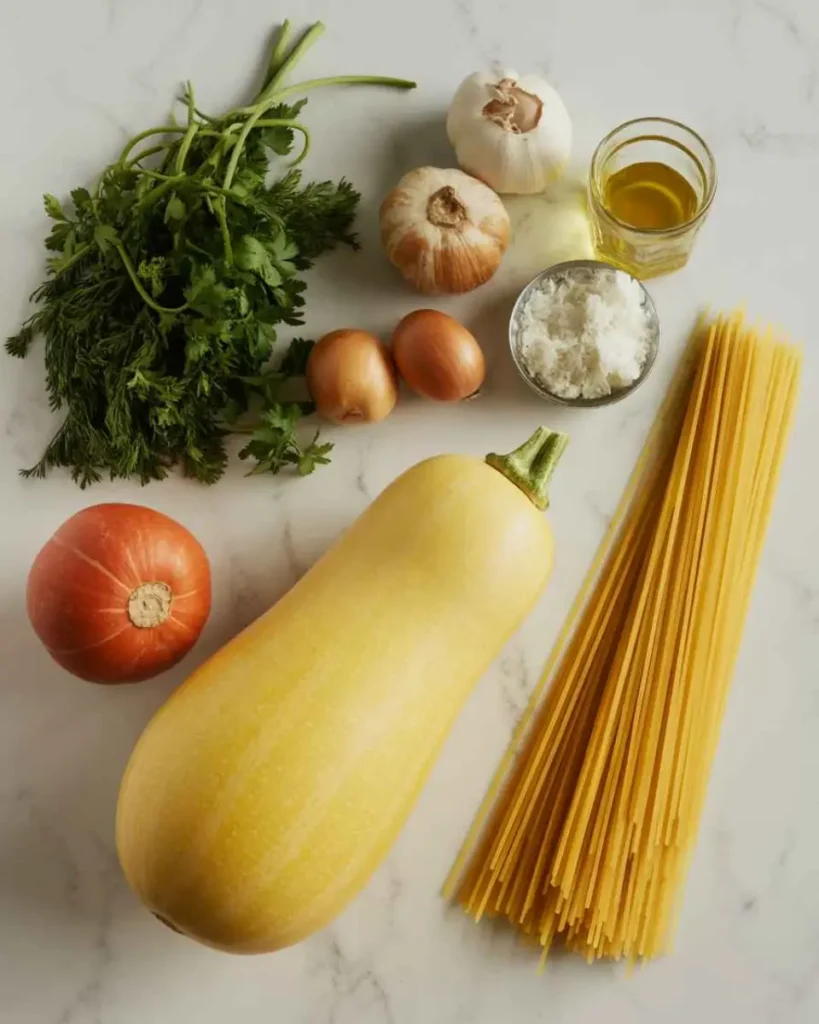
Hi there! I’m Emma, the heart and soul behind easymealstodo.com. The first time I tried spaghetti squash was on a chilly fall evening. My grandma had baked one until tender, then fluffed the golden strands into a bowl with sautéed onions and crumbled feta. The smell alone was enough to warm the whole house. I still remember how amazed I was at how much it looked like real noodles. That moment sparked my obsession with spaghetti squash recipes and I’ve been experimenting ever since.
In my kitchen, spaghetti squash is more than just a side dish. It’s a blank canvas. Whether baked, roasted, or sautéed, this veggie never lets me down. I love creating easy meals that don’t feel like “diet food,” and spaghetti squash fits the bill perfectly. It’s naturally gluten-free, low in calories, and can be tossed with all kinds of fresh, bold ingredients to create magic on your plate.
What Makes This Recipe So Special?
What sets this dish apart is how simple the ingredients are and how flavorful the results turn out. With juicy tomatoes, sharp feta, black olives, and fresh basil, this Mediterranean-inspired dish offers a refreshing take on spaghetti squash recipes that’s satisfying without being heavy.
To keep your squash from turning watery (a common issue), we bake it cut-side down and allow it to rest before scraping. This tip alone will change how you feel about spaghetti squash forever. If you enjoy quick, healthy dinners, this recipe joins the ranks of other favorites like our stuffed bell peppers and zucchini pasta bowls, both wholesome and packed with flavor.
Cooking Spaghetti Squash Without the Water Woes
The Best Way to Cook Spaghetti Squash
Print
Spaghetti Squash Recipes You’ll Want to Make Again and Again
- Total Time: 40 mins
- Yield: 4 servings 1x
- Diet: Gluten Free
Description
- This Mediterranean-inspired spaghetti squash recipe is a light yet flavorful alternative to pasta. Roasted until tender and combined with sautéed onions, garlic, tomatoes, feta, and black olives, it’s a healthy dinner that’s full of taste.
Ingredients
- 1 spaghetti squash, halved lengthwise and seeded
- 2 tablespoons vegetable oil
- 1 onion, chopped
- 1 clove garlic, minced
- 1 ½ cups chopped tomatoes
- ¾ cup crumbled feta cheese
- 3 tablespoons sliced black olives
- 2 tablespoons chopped fresh basil
Instructions
- Preheat oven to 350°F and lightly grease a baking sheet.
- Place squash cut-side down and bake for 30 minutes until knife-tender.
- Let cool for 5–10 minutes before handling.
- Heat oil in a skillet and sauté onion until soft.
- Add garlic and cook for 2 minutes until fragrant.
- Stir in tomatoes and cook until warmed through.
- Scoop squash strands into a bowl.
- Combine with the cooked mixture, olives, feta, and basil.
- Toss and serve warm.
Notes
- Letting the squash rest after roasting is key to avoiding soggy strands.
- This dish makes a great low-carb main or side.
- Add grilled chicken or chickpeas for extra protein.
- Prep Time: 10 mins
- Cook Time: 30 mins
- Category: Dinner
- Method: Roasting
- Cuisine: America
Nutrition
- Serving Size: 1 plate
- Calories: 147
- Sugar: 5g
- Sodium: 390mg
- Fat: 10g
- Saturated Fat: 3g
- Unsaturated Fat: 7g
- Trans Fat: 0g
- Carbohydrates: 13g
- Fiber: 3g
- Protein: 4g
- Cholesterol: 15mg
If you’ve tried spaghetti squash recipes before and ended up with a watery mess, you’re not alone. The key to better results is simple: how you cook the squash. For this dish, baking it cut-side down at 350°F for about 30 minutes draws out excess moisture while keeping the strands light, springy, and fork-tender.
Once it’s done, don’t rush to scoop. Let it sit for 5–10 minutes. That resting time allows steam to escape, which is essential for making spaghetti squash recipes that aren’t soggy. Skip boiling or microwaving those methods lock in moisture. Instead, place the halves on a lightly oiled baking sheet, just like we do in our roasted sweet potato wedges recipe, to encourage caramelization and rich flavor.
Check doneness with a sharp knife it should glide in with slight resistance. Overcooking leads to mushy strands, so timing is everything.
Why This Low-Carb Pasta Swap Actually Works
If you’re cutting back on carbs, spaghetti squash recipes are a game-changer. They offer the texture of noodles with none of the starch overload. In this recipe, we mix the roasted strands with sautéed onion, garlic, tomatoes, olives, and feta creating a dish that’s both fresh and filling.
This low-carb dinner comes in at just 13g of carbs per serving, compared to over 40g in pasta. It’s perfect for gluten-free diets or plant-forward eaters. Like our baked eggplant parmesan and cauliflower fried rice, these spaghetti squash recipes prove healthy meals can still deliver big flavor.
Spaghetti Squash Recipes as a Low-Carb Pasta Star
Why Spaghetti Squash Is the Ultimate Pasta Swap
You’ve probably heard that spaghetti squash is a “healthy alternative” to pasta but what makes it truly worth the swap? The answer lies in its unique texture. When roasted right, the strands pull apart into golden ribbons that mimic spaghetti, minus the heaviness. It absorbs flavors beautifully, which is why so many spaghetti squash recipes turn out unexpectedly delicious.
This veggie is perfect for anyone on a low-carb, gluten-free, or plant-based eating plan. With just 13g of carbs and 4g of protein per serving, it checks all the boxes for a nourishing meal. The recipe we’re making today takes it a step further, layering on juicy tomatoes, black olives, onion, and feta for a flavor-packed experience. You’ll love the balance between creamy, salty, and tangy without a single processed ingredient.
If you’re into healthy swaps, you’ll probably enjoy our zucchini lasagna or chicken cauliflower casserole both low-carb dishes that feel indulgent.
Meal Prep Magic: Use It All Week
What makes spaghetti squash recipes so popular isn’t just the flavor it’s the flexibility. Roast one squash and you’ve got the base for multiple meals. Add marinara and turkey meatballs one night, toss with pesto and parmesan the next. You can even use it cold in veggie-packed lunch bowls.
Its mild taste pairs well with bold sauces, earthy herbs, and both meat or plant-based proteins. Prep it once, and you’ve got endless options. Keep leftovers in an airtight container, and you’ll have ready-to-go lunches that beat any sad desk salad.
From quick weeknight meals to elegant brunch sides, spaghetti squash recipes keep delivering. Once you master this technique, you’ll find yourself reaching for it more than your usual pasta.
When Spaghetti Squash Is Done Right
How to Know When It’s Cooked to Perfection
One of the most common questions in spaghetti squash recipes is: How do you know when it’s done cooking? The answer is all about texture. You want the strands to separate easily with a fork but still hold their shape. If the squash turns mushy, it’s overcooked. If it’s too firm to shred, it needs a few more minutes.
At 350°F, 30 minutes is the sweet spot for medium-sized squash. To test it, insert a sharp knife into the skin. It should glide in with light resistance not too soft, not too hard. Let the squash rest for 5–10 minutes before handling, allowing steam to escape and the strands to set up just right. This step improves the texture in most spaghetti squash recipes more than any seasoning or topping ever could.
Like in our roasted garlic green beans and honey-glazed carrots, timing and technique are everything. Proper prep transforms simple veggies into the best part of dinner.
Serving Tips That Bring Out Big Flavor
Spaghetti squash recipes are incredibly versatile, but how you serve them makes a big difference. For this Mediterranean-style recipe, pair with warm crusty bread or a side salad for a complete meal. Want to boost the protein? Add grilled chicken, chickpeas, or even tofu crumbles.
For garnish, a sprinkle of extra feta and fresh basil just before serving adds that final layer of flavor and texture. You could even drizzle on a touch of lemon juice or balsamic glaze for brightness. Bonus: leftovers reheat beautifully the next day.
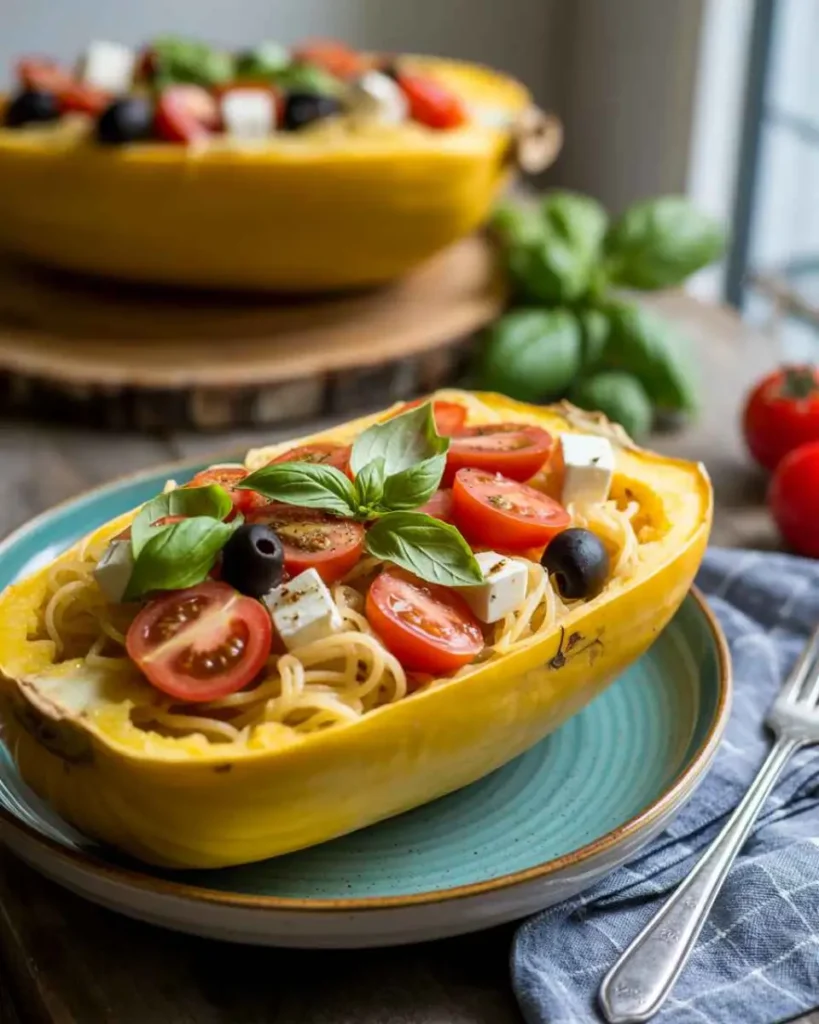
This recipe also makes a fantastic potluck or holiday side dish. It’s beautiful, colorful, and fits into nearly every dietary style. With recipes like this and our crowd-pleasing creamy broccoli rice bake, wholesome eating becomes something you genuinely crave.
For more recipes Follow me in Facebook and Pinterest
Frequently Asked Questions About Spaghetti Squash Recipes
What’s the most effective method to prepare spaghetti squash?
Roasting is the most reliable method for cooking spaghetti squash, delivering tender strands without excess moisture. Slice it in half, scoop out the seeds, and bake it cut-side down at 350°F for 30–35 minutes. This method helps reduce moisture and keeps the strands tender, not soggy. Roasting also deepens the flavor, unlike microwaving or boiling, which can make it watery. Letting it rest after baking helps the strands separate perfectly.
How do you make spaghetti squash not watery?
To keep your spaghetti squash recipes from turning watery, roast it instead of steaming or boiling. Set the squash halves face-down on a lightly oiled baking tray for the best roasting results. After baking, let it rest for at least 5–10 minutes to release excess steam before scooping. Avoid adding sauces too early mix them in just before serving to maintain texture.
Can spaghetti squash be used as a low-carb pasta substitute?
Absolutely. Spaghetti squash is one of the best low-carb pasta alternatives. It contains only about 13g of carbs per serving, compared to over 40g in traditional pasta. It also offers fiber and vitamins, making it perfect for low-carb, keto, and gluten-free diets. Spaghetti squash recipes like this one are a flavorful way to lighten up your favorite meals.
How can you tell if spaghetti squash is cooked just right?
You can tell it’s ready when a knife pierces the skin with only slight resistance. The flesh should be tender, not mushy, and the strands should come apart easily with a fork while keeping their shape. If the texture feels too soft or watery, it’s likely been overcooked. Let the squash cool for a few minutes before scooping to release excess steam and lock in the perfect texture.
Conclusion
If you’ve ever felt disappointed by soggy or bland squash, this recipe will change your mind. With the right cooking method and a few simple ingredients, spaghetti squash recipes can be just as satisfying as pasta without the heavy carbs. This Mediterranean version combines roasted squash with tomatoes, onions, feta, olives, and basil to create a dish that’s both light and full of bold flavor.
Whether you’re cooking for your family, meal prepping for the week, or looking for a quick low-carb dinner, this recipe fits the bill. And if you’re inspired to try more, don’t miss our easy stuffed bell peppers or creamy cauliflower bake. You’ll be amazed how a humble vegetable like spaghetti squash can deliver so much satisfaction bite after bite.