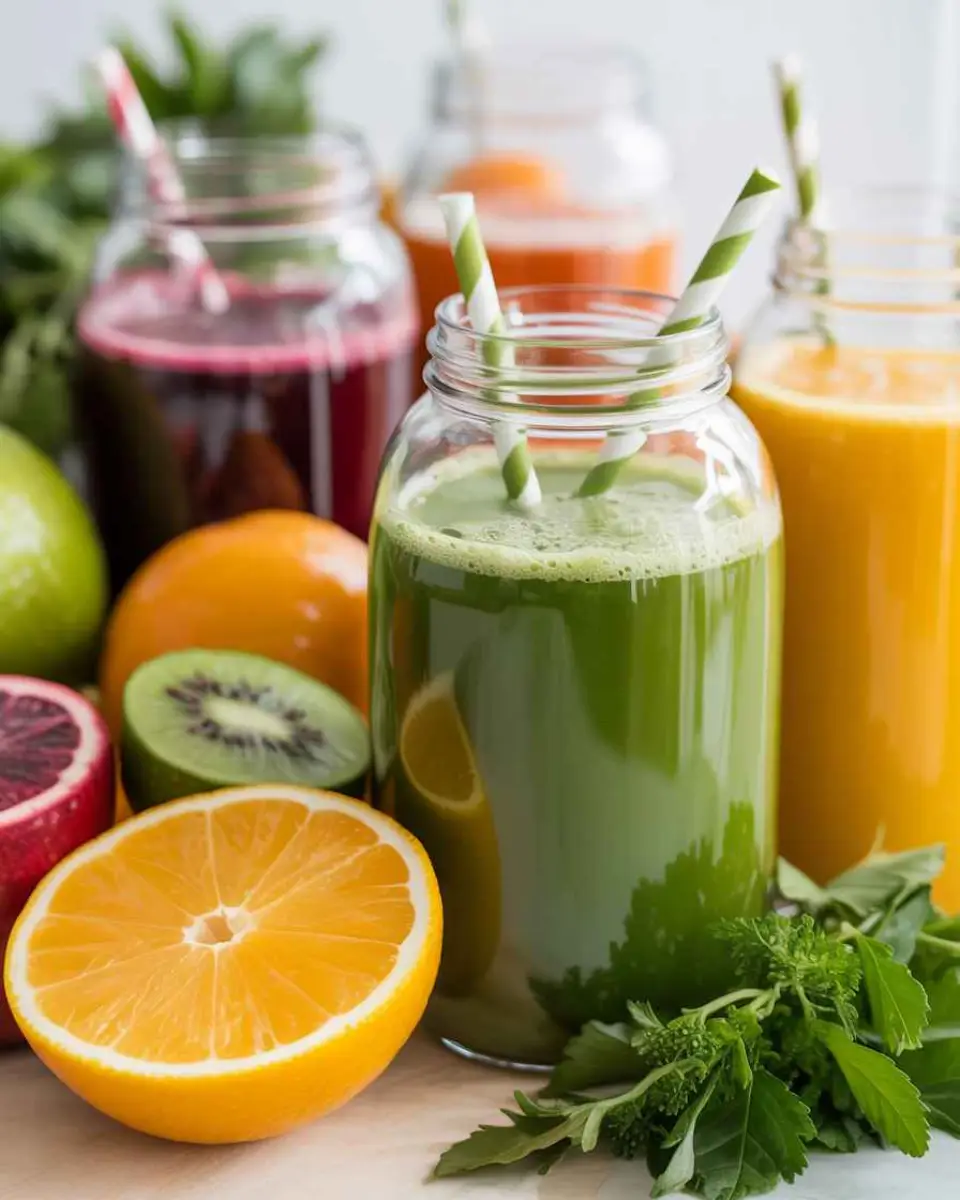
Juicing recipes are one of the simplest ways to bring more fruits and vegetables into your daily routine without overthinking meals. Whether you’re new to juicing, following a bariatric lifestyle, or looking for smoothie alternatives that support balanced nutrition, these drinks offer flexibility, ease, and real-life practicality.
At Crockpot Cravings, we focus on food that fits everyday life not extremes or trends that are hard to sustain. This SEO guide explores juicing recipes for beginners, bariatric-friendly options, popular smoothies, protein-rich drinks, and green blends so you can confidently choose what works best for your body and schedule.
Why Juicing Recipes Are So Popular
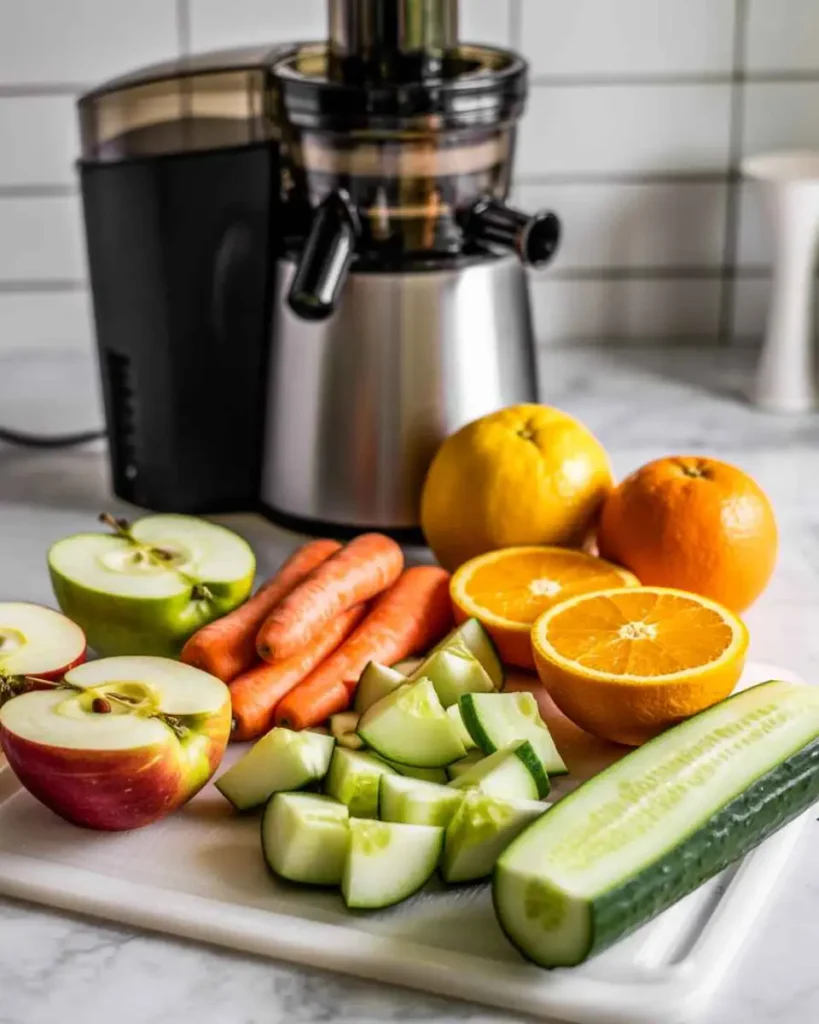
Homemade juice blends and smoothies remain popular because they remove barriers to healthy eating. Instead of planning full meals, you can blend or juice fresh ingredients into something quick, refreshing, and easy to digest.
Juicing recipes are loved because they:
- Make fruits and vegetables easier to consume
- Require little to no cooking
- Work for breakfast, snacks, or light meals
- Support health-focused lifestyles
- Can be adapted into smoothies or protein blends
This flexibility makes juicing recipes especially appealing for busy households, recovery plans, and simple nutrition routines.
Juicer Recipes for Beginners: Start Simple
If you’re new to juicing, beginner-friendly combinations are the key to success. Juicer recipes for beginners should focus on familiar flavors, minimal ingredients, and smooth textures.
Great starter combinations include:
- Apple, carrot, and cucumber
- Orange, pineapple, and ginger
- Watermelon with mint
- Pear with spinach and lemon
These blends help you learn how flavors work together while avoiding bitterness or overpowering vegetable notes.
Bariatric Recipes: Gentle & Easy-to-Digest Options
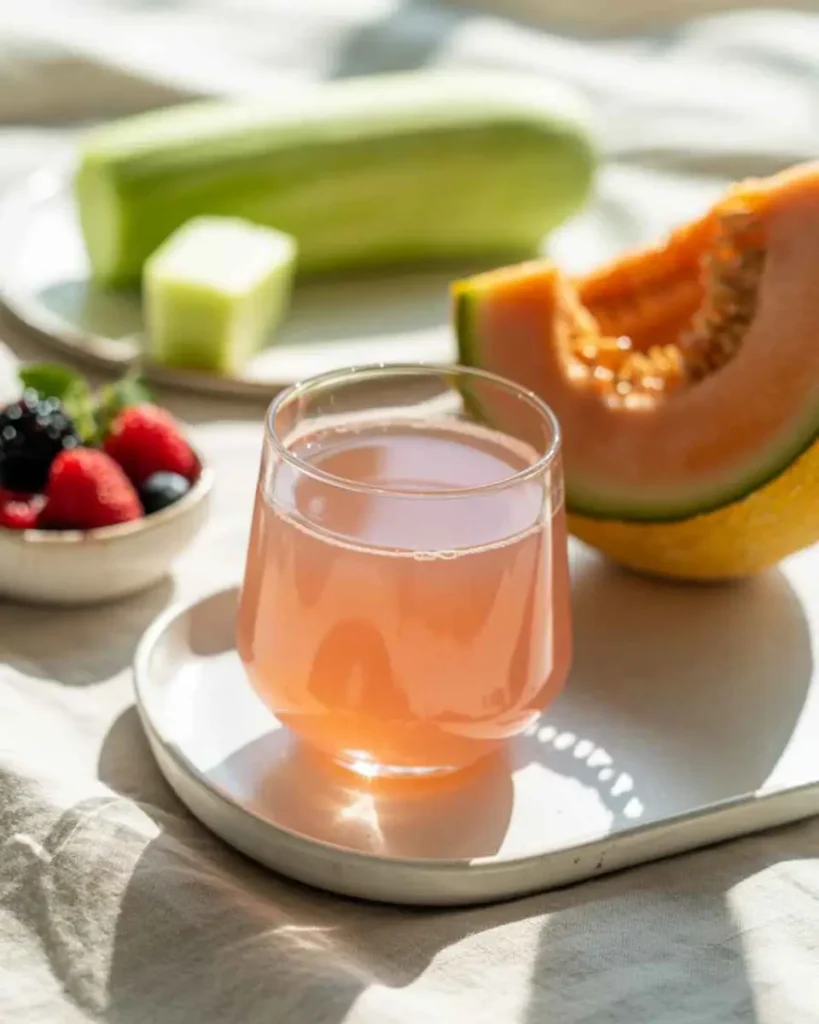
Liquid nutrition plays an important role in bariatric eating plans, especially during early recovery stages. Bariatric recipes using juices or smoothies should prioritize smooth texture, low acidity, and controlled sweetness.
Helpful bariatric guidelines include:
- Straining excess pulp if fiber causes discomfort
- Choosing mild fruits like melon, berries, or banana
- Avoiding citrus-heavy blends early on
- Skipping added sweeteners
Juicing recipes created for bariatric needs should focus on nourishment without overwhelming digestion.
Juicing vs Smoothies: What’s the Difference?
Many people exploring juicing recipes also enjoy smoothies but the two serve different purposes.
- Juicing removes most fiber, creating lighter, faster-absorbing drinks
- Smoothies retain fiber, making them more filling
A popular option like a strawberry banana smoothie offers a creamy, satisfying alternative for those who want more substance without a full meal.
Protein Smoothie Recipes for Lasting Energy
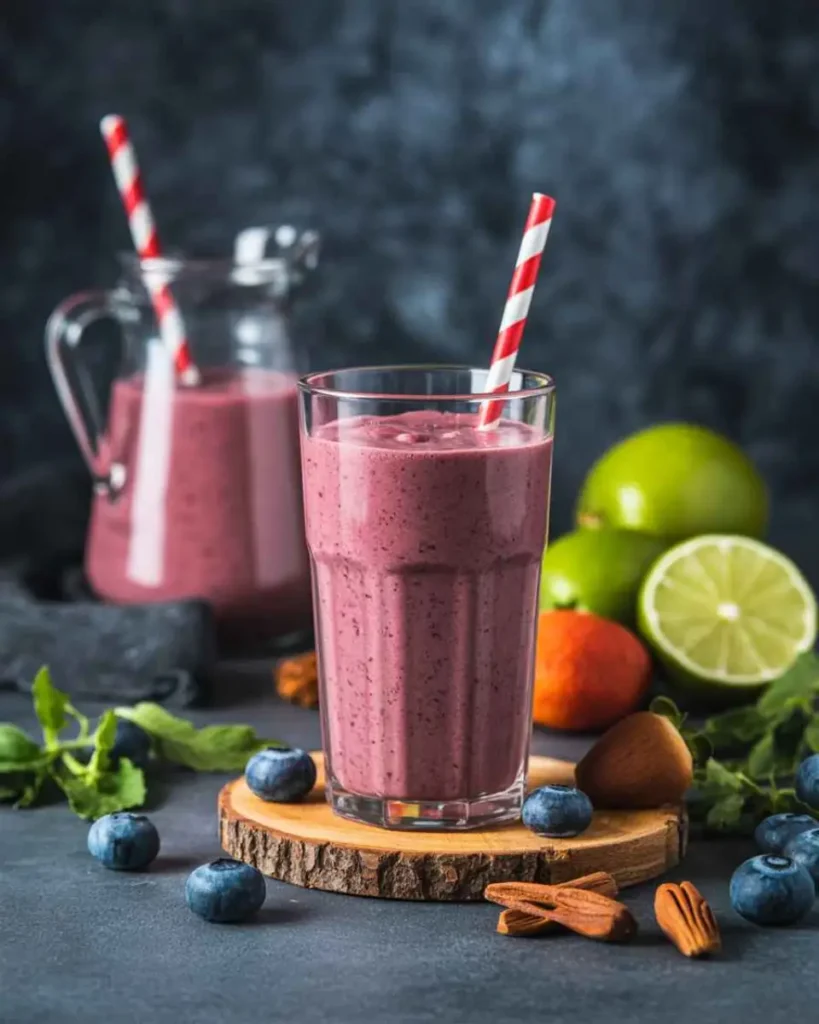
When you need drinks that can replace a meal or keep you full longer, protein smoothie recipes are an excellent choice. These blends balance natural sugars with protein to support energy levels and satiety.
Common protein additions include:
- Greek yogurt
- Protein powder
- Nut butter
- Seed blends in small amounts
Protein-based smoothies work well for breakfast, post-workout recovery, or long days when full meals aren’t practical.
Green Smoothie Recipes: Fresh, Light & Balanced
For those wanting vegetable-forward drinks without harsh flavors, green smoothie recipes strike the perfect balance between nutrition and taste.
Popular ingredients include:
- Spinach or kale
- Banana, mango, or apple for sweetness
- Coconut water or almond milk
- Lemon or ginger for brightness
Green blends are ideal for daily nutrition and are often easier for beginners than straight vegetable juices.
Choosing the Right Juicing Recipe for Your Goals
The best juicing recipes depend on what you need most:
- Beginners → Simple juicer recipes with fruit-forward flavors
- Bariatric lifestyles → Smooth, mild bariatric recipes
- Meal replacement → Protein smoothie recipes
- Daily wellness → Green smoothie recipes
Because juicing recipes are so adaptable, it’s easy to rotate styles without feeling restricted.
Tips for Making Juicing Recipes Work Long-Term
To make juicing and blending sustainable:
- Prep ingredients in advance
- Rotate fruits and vegetables weekly
- Mix juices and smoothies for balance
- Listen to how your body responds
Consistency matters more than perfection.
For more recipes Follow me in Pinterest
FAQs: Juicing Recipes
1. What is the best juice for beginners?
Start with mild blends like apple, carrot, and cucumber. These are naturally sweet and easy to enjoy without added sugar.
2. Can I use a blender instead of a juicer?
Yes! You can blend your ingredients and then strain through a mesh strainer or cheesecloth to create a juice-like texture.
3. Are green juices good for weight loss?
Green juicing recipes can support weight goals when paired with balanced eating. They’re low in calories but rich in nutrients and hydration.
4. How long can I store fresh juice?
For the best taste and nutrition, drink juice within 24 hours. Store it in a sealed glass jar in the fridge.
Final Thoughts: Why Juicing Recipes Belong in Everyday Life
Juicing recipes don’t need to be extreme to be effective. When built around simple ingredients, gentle digestion, and realistic routines, these drinks become a powerful tool for everyday wellness.
That’s exactly why juicing recipes earn a permanent place at Crockpot Cravings practical, flexible, and designed for real people living real lives.